


A lot of people return to the job market with a resume built around the market they left.
They know what their previous company valued. They know the tools and language used inside that business. They remember what recruiters wanted the last time they searched for a job.
Then they start applying again.
Forty applications later, the response is close to zero. The common reaction is to change the resume design, add more keywords, ask AI to rewrite the summary, or start blaming an ATS.
I would check something else first.
Does your resume show what companies hiring for your target role are asking for right now?
That sounds obvious, but in practice, many people never check.
I once worked through this with someone I’ll call Zdeněk. He had stayed with the same employer for years and was now looking at senior recruiting roles. We were discussing his resume late in the afternoon while I was also answering Slack messages. His resume looked fine.
It talked about sourcing, stakeholder management, ATS systems, hiring targets and agency management.
Then we looked at the jobs he wanted.
Again and again, companies were talking about workforce planning, recruiting analytics, AI-supported workflows, process design and advising senior leaders. He had experience with several of those areas. His resume barely mentioned them.
He was describing the recruiter he had been hired to become years earlier.
The market was asking him to prove something slightly different.
One job ad gives you a distorted picture
Reading a job description carefully is sensible, but using one job description to decide what the market wants is risky.
Companies write strange job ads.
Some are copied from an old requisition. Some contain a hiring manager’s wish list. Some have been stitched together after several people added their favorite requirement. A title such as “Senior Product Manager” can describe very different work at two companies.
Job titles themselves deserve a separate rant or many other articles about this topic, but I won’t get into it here, except to say that titles have become unreliable enough that I rarely trust them without reading the responsibilities underneath.
Researchers have found the same variation at a much larger scale. David Deming and Lisa Kahn studied skill requirements in professional job postings and found substantial differences in requested skills even within narrowly defined occupations. Employers hiring apparently similar people can ask for noticeably different mixes of cognitive and social skills.
That is why I wouldn’t build a resume around one attractive vacancy.
The OECD reached a similar conclusion from another direction. One study examined more than 9 million online job postings across four US states and found variation in employer skill demand between locations and within occupations. The authors argued that job-posting data can help workers see current employer demand at a level traditional occupational data often misses.
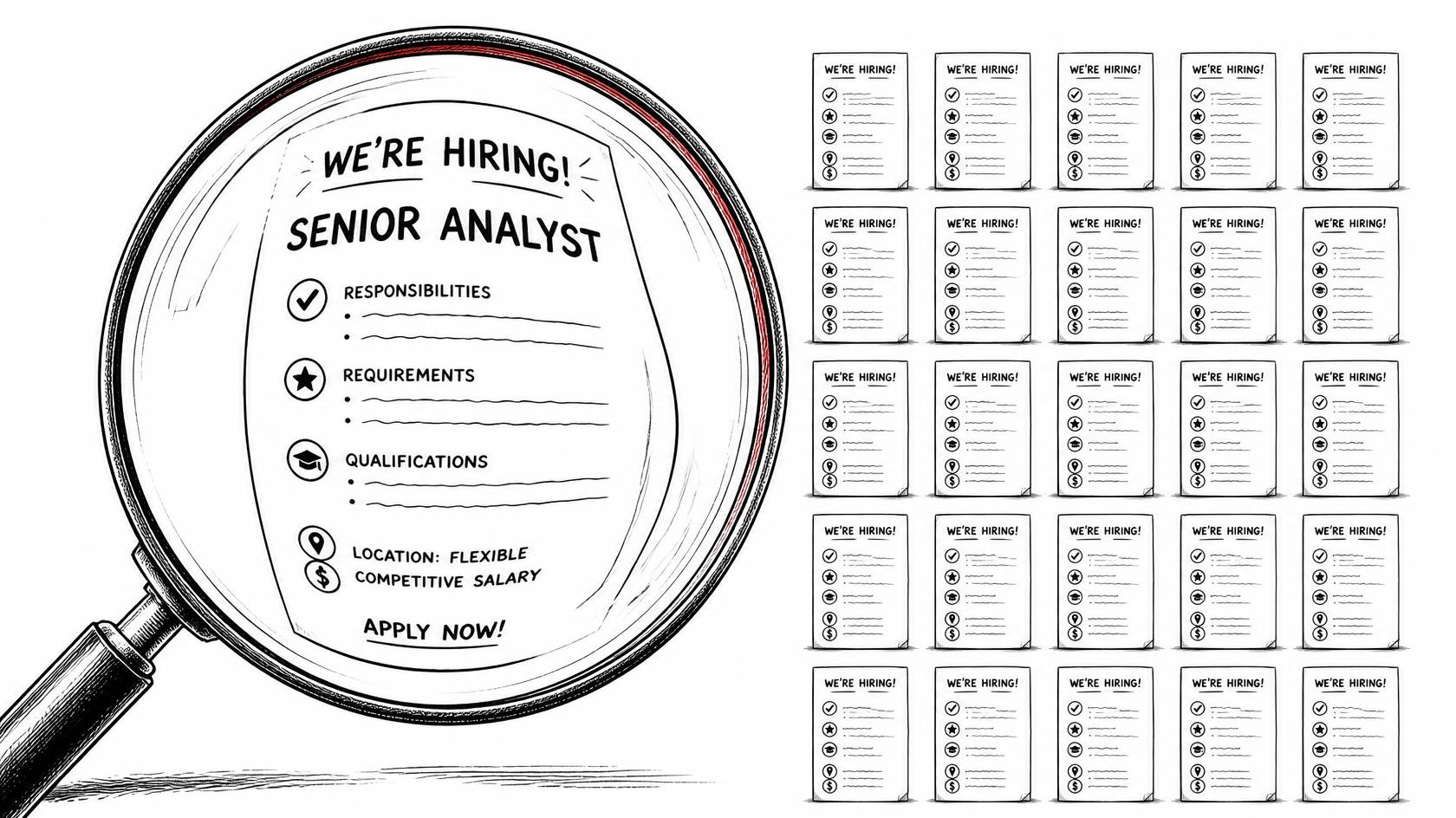
And this is what I am telling all job seekers: twenty relevant job ads will usually teach you far more than staring at one perfect-looking job for another hour.
Twenty postings
I recommend using 20 because it is enough to start seeing repetition without turning your job search into a research project.
You can use more, of course. But the quality of the sample matters more than chasing a giant number.
If you’re targeting Director of Marketing jobs in Prague, collecting seven marketing jobs from Prague, four remote US roles, a Marketing Manager vacancy, two VP jobs and six random roles from London gives AI messy evidence.
Keep the sample tight.
Same general role family. Similar seniority. Same target geography where location affects hiring. Current postings.
Then eliminate obvious duplicates; some companies simply copy their competitors' ads. Now look at the twenty ads as one dataset rather than twenty separate opportunities.
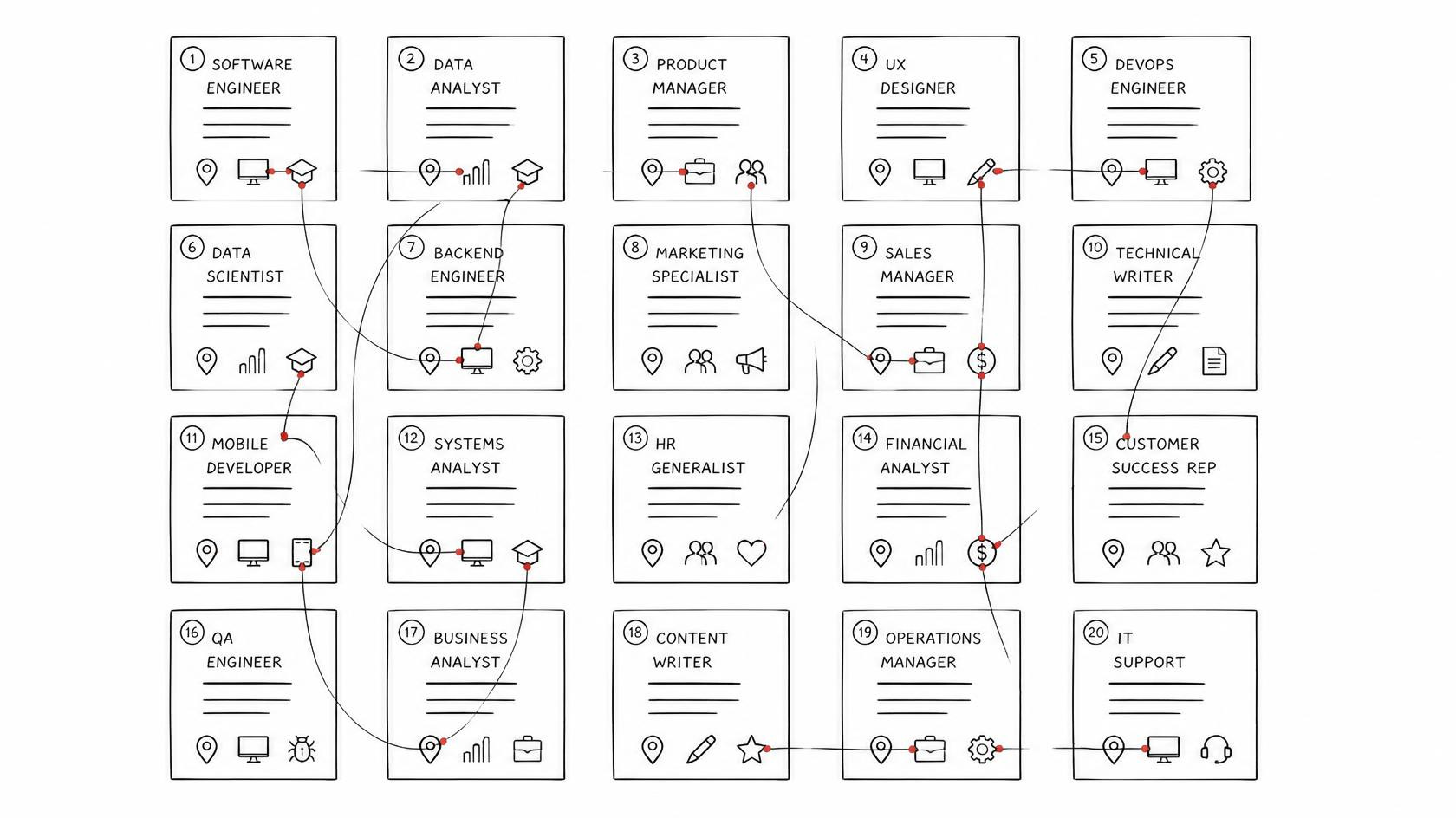
This is useful because people are surprisingly bad at spotting repetition when the wording changes.
One company asks for “executive communication.” Another wants someone who can “present recommendations to senior leadership.” A third wants experience “influencing VP-level business partners.”
Those may point toward the same underlying demand. AI is very good at helping you find that kind of repetition. And the timing makes this more useful than it was a few years ago.
LinkedIn’s 2026 Skills on the Rise report looked at year-over-year changes in skills added to profiles and the skills held by members who were hired. Across its 12 markets, LinkedIn found rising demand around areas including cross-functional collaboration, executive communication, business growth, AI and risk management.
One in five professionals in LinkedIn’s survey said lacking the right skills was making their job search harder.
The World Economic Forum’s 2025 Future of Jobs research gives an even wider view. More than 1,000 employers representing over 14 million workers were surveyed, and employers expected 39% of workers’ core skills to change by 2030. AI and big data were among the fastest-growing areas, while analytical thinking remained the top core skill.
Those reports are useful, because they still can’t tell you exactly what twenty companies hiring for your role in your city want from you this month.
Your own sample can get much closer.
Your market leaves fingerprints in the wording
People naturally focus on requirements they already have.
If you’ve spent years in project management, your eye catches Agile, Jira and program delivery immediately. If you know SQL, every mention of SQL seems important.
You can read ten ads and come away thinking the market wants exactly what you already know.
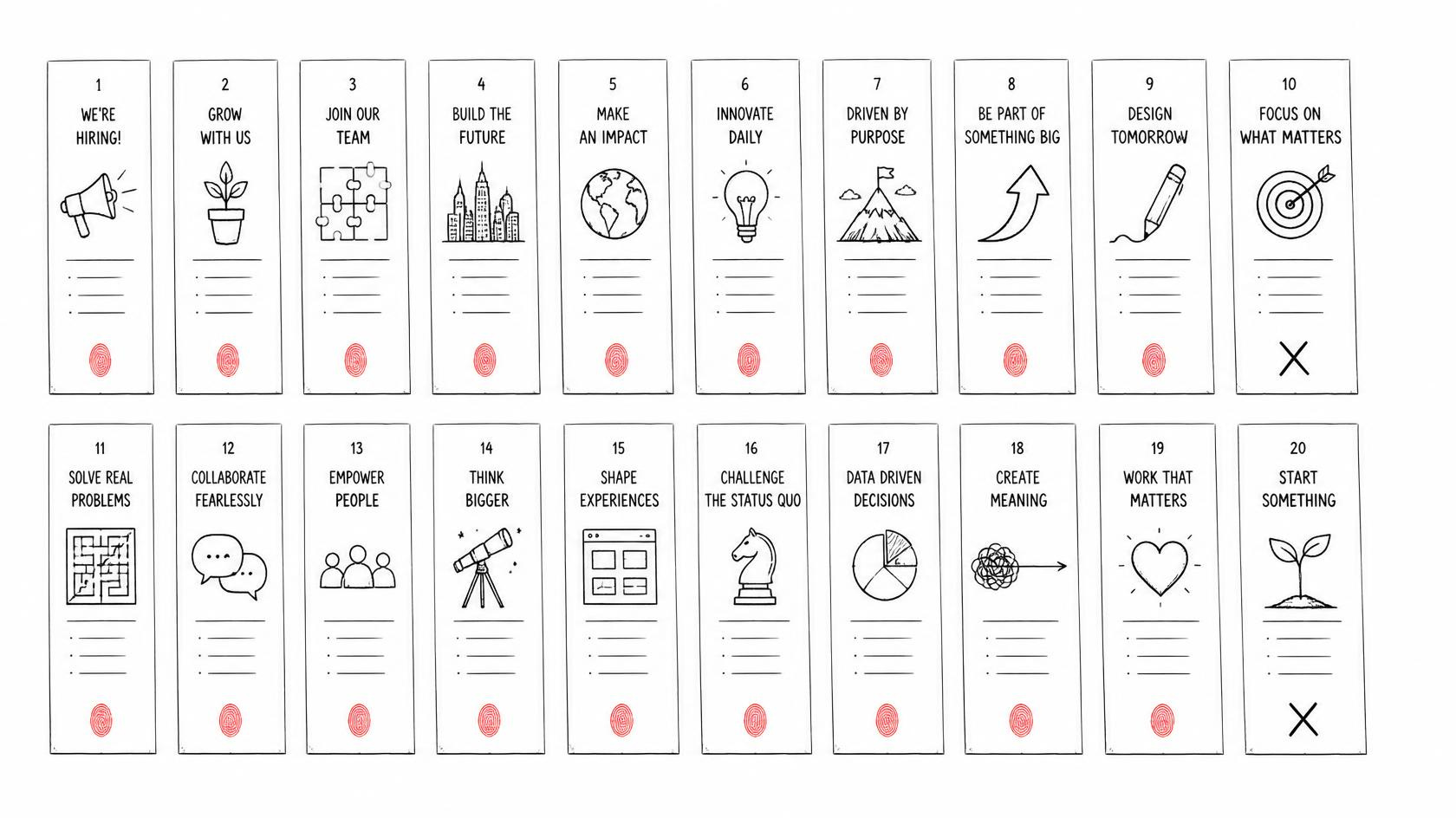
But AI doesn’t have to protect your professional identity, so give it the twenty ads and ask it to count what appears.
Don’t begin with:
“Tell me the most important skills for this career.”
That invites the model to combine your postings with whatever it already knows.
You want the evidence in front of it.
Use something closer to this:
I am researching current employer demand for [TARGET ROLE].

Below are 20 current job descriptions for roles I would realistically apply to.

Analyze ONLY the job descriptions I provide.

Identify:

1. Skills, tools and experience that appear repeatedly.
2. Business outcomes candidates are expected to deliver.
3. Responsibilities that appear across multiple companies even when the wording differs.
4. Requirements that appear to be emerging or unusually common.
5. Requirements that appear only once and should therefore receive less weight.

For every finding, show:
- the exact number of job descriptions where it appears
- example wording from the job descriptions
- which companies requested it

Normalize obvious synonyms, but show me what you combined.

Do not tell me what candidates in this profession "usually" need unless it appears in the supplied job descriptions.

At the end, rank the 10 strongest patterns based on frequency and consistency.
Note: You can use “attached” instead of “Below are 20 current”
The counts matter.
“Communication is important” tells you almost nothing.
“Executive communication appears in 14 of the 20 roles” gives you something you can investigate.
You may discover that a tool you thought was essential appears twice.
Or a requirement sitting quietly near the bottom of each advertisement appears fifteen times.
That can change where you spend your time.
Some employers asking for “AI skills” may genuinely want technical ability, while others may be using AI language as a rough signal that a candidate keeps up with changes in their profession.
Those are different requirements even though they may produce the same keyword in a job ad.
Make AI count before it advises
This is where most people quit, they paste six advertisements into ChatGPT, receive an attractive summary and immediately ask it to rewrite their resume.
Slow down. The first useful output is the evidence table. You want to know whether something appeared in sixteen postings or four. You want AI to separate tools from outcomes.
You also want it to distinguish between: “Experience with Salesforce.” and: “Increase enterprise pipeline conversion.”
One is a tool; the other tells you why the company may care about the person using it. That distinction becomes important when you work on your resume later.
A resume stuffed with every repeated noun from twenty job descriptions can become worse than the original.
I would rather see: “Increased enterprise pipeline conversion by 18% after rebuilding lead qualification.”
than: “Salesforce, pipeline management, lead qualification, CRM, reporting.”
Assuming, of course, the first statement is true. The goal is evidence.
There is also a real cost to this method. Collecting twenty good postings, removing duplicates and checking AI’s grouping takes time. You will probably find requirements you don’t have. Some job descriptions will contradict the others.
AI may also combine terms that an experienced person in your field knows should remain separate.
You have to review its work. I don’t trust an AI-generated frequency table until I spot-check several rows against the original ads.
The resume test you should run next
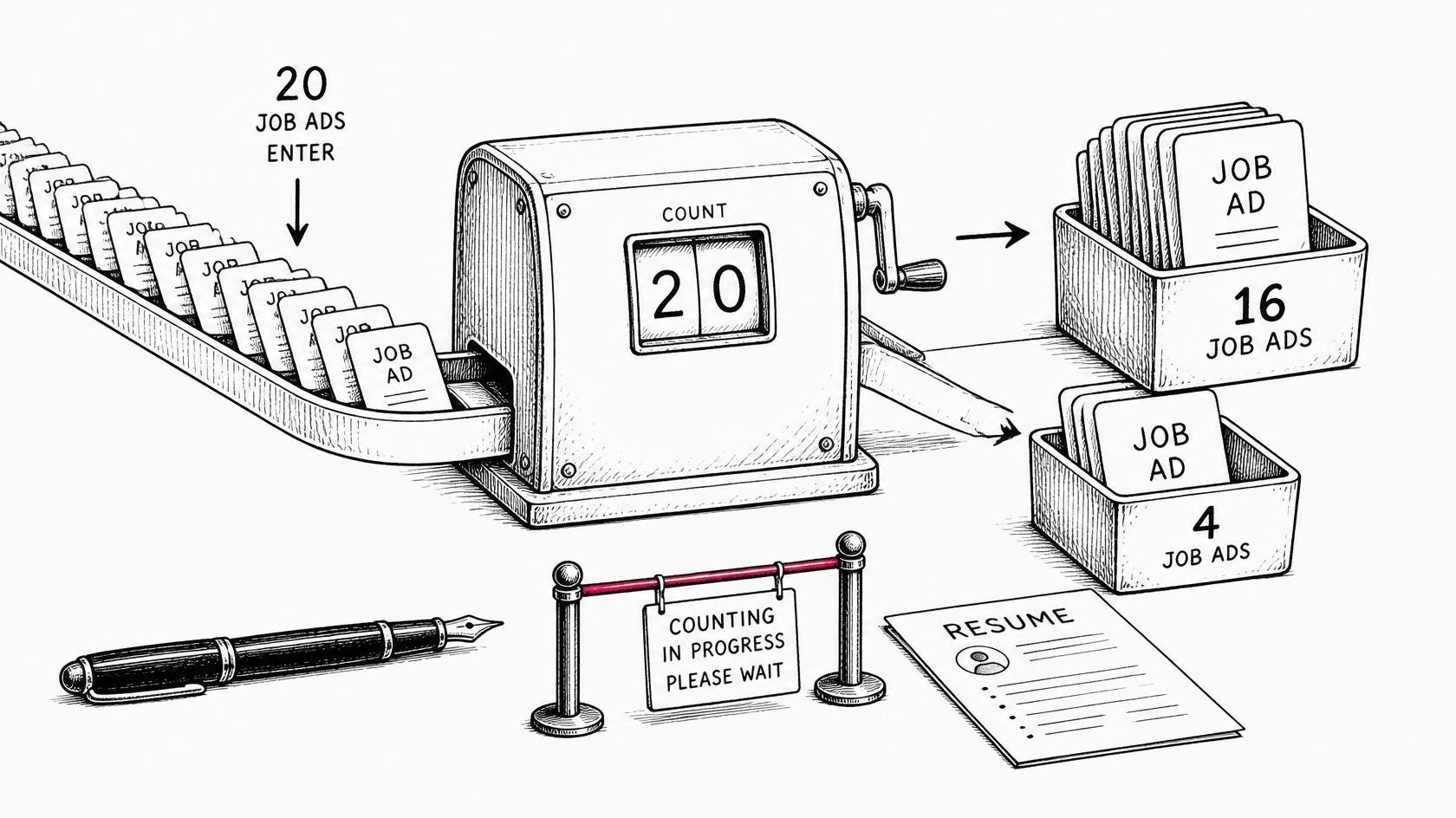
Once you have the market analysis, put your resume next to it. Don’t ask AI to rewrite anything yet.
Ask: “Which of the recurring requirements from these twenty jobs does my current resume clearly prove I have?”
That wording matters; you may possess the skill, but the resume may provide zero evidence of it.
Suppose 13 of your target roles want experience presenting data to executives.
You have spent four years doing exactly that, but your resume says: “Created monthly reporting.”
The experience exists, the evidence is weak. Now you have something useful to fix.
Go through the repeated requirements and put each into one of four buckets:
Clear evidence: Your resume contains a specific example.
Weak evidence: The experience is probably there, but the wording is vague.
Experience exists but is missing: You did it and never included it.
Real gap: You genuinely don’t have it.
The last category deserves some respect because AI has made it very easy to disguise gaps with polished language. That does nothing for you when an interviewer asks for an example.
Sometimes the analysis tells you that you need to change the resume. Sometimes it tells you to learn something.
And occasionally it tells you that you have been targeting jobs that have moved away from your current experience more than you realized.
I’m not sure this method works equally well for tiny executive markets, confidential searches or jobs where very few vacancies appear publicly. Twenty ads may simply not exist.
For ordinary professional job searches, though, I would rather start with twenty current employers telling me what they want than another generic article or LinkedIn post listing the “10 skills everyone needs in 2026.”
The twenty-job method tells you what keeps appearing, but frequency alone can still mislead you. Below are the two prompts I use for a much stricter analysis: one turns your target jobs into a market-demand report, and the second tests your resume against that evidence without inventing experience or blindly copying job-description language.
Two Prompts for Auditing Your Real Job Market
A basic AI summary can make twenty job descriptions look cleaner while leaving the hardest questions unanswered.
