


If you have applied for jobs this year, you have probably had at least one moment where you stared at a posting and thought, is this even real? You send your resume, wait, and nothing happens. No reply, no update, and no sign that a human ever looked at your application. It feels like the job never existed.
This frustration is quite common, and it is one of the biggest reasons people talk about ghost jobs. The problem is that almost every quiet or slow experience gets labeled this way. Real ghost jobs exist, but most people are actually running into three different situations that look identical from the outside.
Sometimes the role is real, but the company is slow or overwhelmed. Sometimes the job stays online even after someone has been chosen because no one removed it. Sometimes the role is evergreen, which means the company hires for it all year. None of this feels good when you are waiting for a reply, and it certainly doesn’t justify this kind of approach.
This mix of slow processes, unclear expectations, and poor communication creates confusion. It also makes you question your chances and your skills.
Many people feel the same way, and understanding the difference between ghost jobs, evergreen roles, and actual scams can help you navigate the search with more clarity and less stress.
What Ghost Jobs Actually Are
A ghost job is a posting that looks active even though the company is not truly hiring for that role. It is a real employer and a real position on paper, but nothing is happening behind the scenes. No interviews, no shortlists, no approvals moving forward. The posting stays online even when the hiring team knows they are not moving anyone through the process.
This happens because of internal habits rather than intentional misdirection. Some companies keep roles posted to give the impression they are growing. Some leave listings open so they can collect resumes for future needs. Others are waiting on budget decisions, headcount approval, or team changes that keep everything on pause.
Silence feels personal, but it rarely tells the real story about a job posting.
A ghost job is not a scam, even though it feels like one. There is no personal risk involved, but it does waste your time because the opportunity is not active. What makes it confusing is that the job description often looks legitimate. There is a clean layout, a real company logo, and a list of responsibilities that sound believable. Nothing signals that the role is stalled. For job seekers, it feels like applying into a quiet void.
Understanding this definition matters because it separates a frustrating experience from an actual threat. It also helps you see the difference between a non-active role and one that is simply slow, understaffed, or hiring for multiple positions over time.

Why People Often Think a Job is a Ghost Job When it is Not
It is easy to assume a role is fake when you hear nothing after applying. The silence feels like proof that something is wrong with the posting. But most of the time, it is not a ghost job. It is something much more common, and much less mysterious. It is usually a mix of slow processes, imperfect hiring habits, and a simple fact that the company did not choose you.
Many companies struggle with basic candidate communication. Applications pile up faster than recruiters can review them. Some teams have one recruiter handling dozens of roles at once, with hundreds of candidates per job. When they cannot respond, it feels personal to you, but to them it is just workload. This failure to communicate creates confusion, not deception.
Another reason is timing. You may apply late in the process when the team is already interviewing finalists, or when they have paused hiring without closing the posting. You never see these internal decisions. From your side, it just looks silent. That silence makes it feel fake, even when the job is real and active for others.
There are also roles that companies are required to post publicly under local hiring laws, even when an internal candidate has already been chosen. The job is real, but the competition is not. You never get a fair chance, and that makes it look like a ghost job. Again, it is not a scam; it is just a process that was never designed with transparency in mind. Especially when legislators require companies to advertise roles even if they are intended for internal candidates.
And then there is the hardest truth you should know, and it is sometimes hard to accept. Sometimes you simply are not the right match for the role. Your profile may not align with what the hiring team is looking for, even if the job description looks like a match, or even if it's a 100% match. A rejection or silence does not mean the company was not hiring. It means the fit was not strong enough or the company did a poor job of communicating it.
Most people also mislabel evergreen roles as ghost jobs. These are roles that stay open because companies keep hiring for them throughout the year. Tech support, sales, nursing, store supervision, software development, and many seasonal or high turnover jobs fall into this category. They are real jobs, but they do not close like traditional roles because the need is constant.
The problem is that all these situations feel the same from where you stand. You apply, wait, and hear nothing. Your mind fills in the missing information. But silence is not proof. Most of the time, it is just a messy hiring world trying to function without clear communication.
Understanding this helps you judge job postings more clearly, and more importantly, helps you stop blaming yourself when the real issue is on the hiring side.

How Ghost Jobs Differ From Scam Jobs
A ghost job and a scam job look similar at first glance, but the intent behind them is completely different. A ghost job is usually the result of slow internal processes or low priority hiring. A scam job is designed to take something from you. The problem is that both appear in the same places, often with the same polished formatting, so it is easy to confuse them.
A scam job has a clear goal. The people behind it want money, personal data, or access to your identity. They often copy real postings from well-known companies, adjust the contact details, and wait for applicants who are stressed or eager enough to respond quickly. They rely on urgency and confusion. You might see messages asking for up-front fees, training costs, or equipment deposits. Some ask for your passport, banking details, or tax information before any interview takes place. These requests are the strongest warning signs because real employers never ask for these things at the start.
A ghost job wastes your time, but a scam job puts you at risk. Knowing the difference protects you.
A ghost job does not ask for anything from you. It is not trying to steal your identity or your money. It is a real role that exists on a real company website, but the hiring team is not actually filling it. The posting stays live because people forgot to remove it, or because someone is collecting resumes for possible future hiring. It might be part of a long strategic plan or an unfinished internal headcount conversation. It is annoying, but it is not dangerous.
Another difference is the way communication happens. Scam jobs often push you to act quickly. They may schedule interviews with no details, switch communication channels to apps (instead of Zoom to WhatsApp, Discord, etc.) or private emails, or rush you toward a decision. Their goal is to get something from you before you realize what is happening. Ghost jobs are silent. They do not follow up, and they do not try to pressure you. You get no response because no one is actively hiring.
You can also see clues in the job description itself. Scam postings tend to be vague, overly broad, or oddly written. They sometimes promise high pay for simple tasks or remote roles with no experience required. Ghost jobs usually come from real companies with standard formatting, internal jargon, and legitimate requirements.
Understanding the difference matters because it tells you how to react. A ghost job wastes your time, but a scam job can harm you. One is caused by messy hiring processes. The other is intentional fraud. When you know the difference, you can protect yourself without assuming every quiet posting is dangerous.
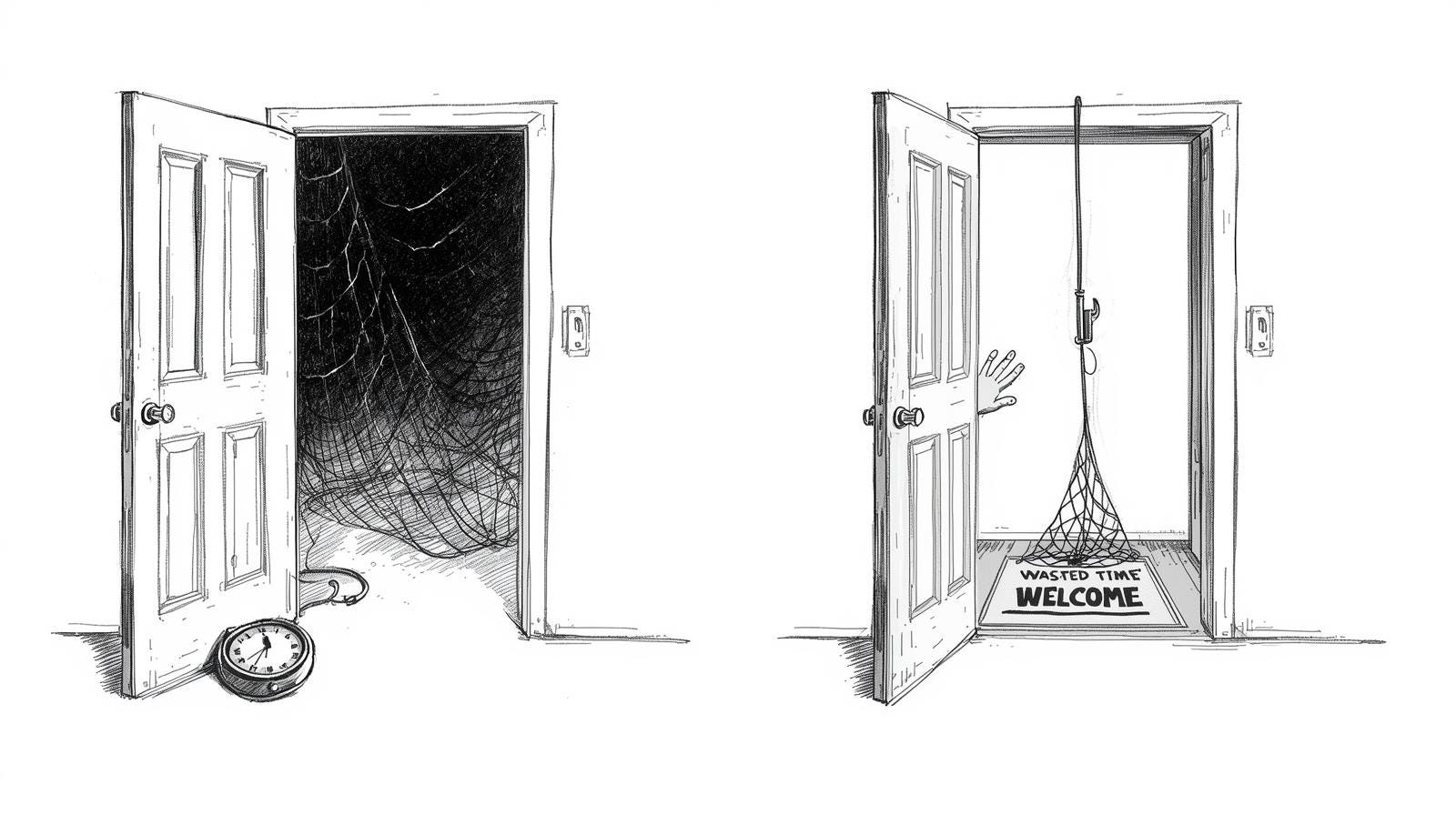
How Ghost Jobs Differ From Evergreen Jobs
Evergreen jobs are some of the most misunderstood postings in the market. Many people see the same role appearing every few weeks and assume the company is not hiring or that the job is fake. In reality, evergreen roles are often the most active hiring pipelines a company has. These are positions that never fully close because the business always needs more people in them.
Think about roles with steady turnover, rapid growth, or ongoing operational demand. Customer support teams bring in new groups several times a year. Sales teams grow in cycles. Nursing, warehouse work, retail leadership, and junior technical roles often hire in waves. These positions stay open because the work never slows down.
The confusing part is that evergreen jobs use the same public job boards and career pages as regular roles, so job seekers expect the same hiring behavior. But an evergreen role behaves differently. You may see it listed for months because hiring happens in batches, not as a single event. Recruiters might screen candidates slowly since they can add people when the next group is approved. The process is real, but it is not urgent.
Many people mislabel evergreen roles as ghost jobs because they feel repetitive and ambiguous. You cannot tell if the team is hiring today or planning to hire next quarter. That uncertainty creates frustration, especially when you do not receive updates. But evergreen positions do move forward. The timing is just less predictable than traditional roles.
There are a few signs that a job is evergreen rather than ghost. The description stays consistent, and the company hires multiple people for the same position every year. You may see employees with the same title on LinkedIn across different regions. Recruiters might mention that they are building a long term pipeline. The posting itself looks maintained, not abandoned.
Understanding this difference helps you manage expectations. An evergreen job might not move fast, but it does move. If you are a strong match, you can stay in the pipeline even if the current hiring window is closed. Calling these roles ghost jobs does not help you. Seeing them as ongoing opportunities gives you a better sense of where you might fit and how long the process might take.
How To Spot a True Ghost Job Without Guessing
Spotting a real ghost job is not about guessing or reading between the lines. It is about noticing patterns that point to a role that is not moving. None of these signs guarantee the job is inactive, but together they help you judge whether the posting is worth your time.
Start with activity signals. A healthy job posting usually shows signs of life. You might see recent recruiter posts about the role, they might have those roles in their hiring frames on LinkedIn, updates on the company page, or one or two team members mentioning that they are hiring. When there is no activity for months and the posting never changes, that can be a clue that the role is sitting untouched in the system.
Look at the wording of the job description. Some ghost jobs use older content that no longer matches the current company structure. You might see outdated technology, responsibilities that do not align with the company’s recent projects, or language that feels generic. This happens when the role was copied from an old posting and republished without any updates. It suggests that no hiring manager is actively reviewing it.
Pay attention to how often the company posts the same job. If a position keeps appearing in many cities or regions where the company barely operates, it might be a template posting added by habit instead of real hiring intent. Companies sometimes repost roles automatically through their systems, so the job looks new even when nothing is happening internally.
Your application experience also gives clues. If you apply and get no movement for 6+ weeks with no status change, and other candidates report the same, the role may not be active. Many companies never close postings even after they cancel the role or freeze hiring. The system keeps it visible, and job seekers keep applying without knowing that the job is no longer funded.
Another sign is vague recruiter responses. If you receive messages like the team is still reviewing or we will reach out if there is interest, but nothing changes for a long period, the role might be stalled. Recruiters often say this when they do not have clear direction from the hiring manager or when the role is waiting for internal approvals.
There is also the pattern of mismatched urgency. Some postings use strong language like immediate need or hiring now but show no real activity behind the scenes. This mismatch can signal a ghost job, especially if the company has a history of slow or inconsistent hiring.
These signs do not mean you should never apply. They simply help you understand the likelihood of movement. When you combine these clues with your own judgment, you can decide where to invest your time, which roles deserve follow up, and when it is smarter to move on.
A New Way To Think About Job Postings
Not every job posting gives you a fair shot, but that does not mean most of them are fake. Many are simply slow, poorly managed, or part of ongoing hiring cycles that you never see. Companies rarely explain their timing or hiring decisions, so silence feels suspicious. It is easy to blame the posting, when in reality, you are dealing with an unclear process rather than a hidden job.
Most job postings fall into three types. Active jobs that are being filled now, paused or waiting jobs that may open again, and evergreen jobs that hire in cycles. A ghost job is different. It gives no real chance for anyone to move forward because hiring is not happening at all. The problem is that all these types look the same from the outside.
A healthier approach is to judge roles by signs of active hiring, not by silence alone. Look at how recently the posting was updated, whether the company has hired for the same role before, and if there are real people on LinkedIn with that job title. These clues tell you more than guessing based on no reply.
Taking every silence as a ghost job can lower your motivation and make you feel invisible. Seeing it as part of a slow or unclear system helps you detach from the outcome and focus on roles where you are a strong match.
The goal is not to try to decode every posting. The goal is to put your energy into roles where movement is possible and communication is likely to happen.
Curious to know which signals tell you if you are likely to get a response. I break down the silent patterns hiring teams follow and what they quietly prioritize.
