


Asking for feedback after an interview feels uncomfortable. You don't want to sound needy, but you also don't want to miss a chance to learn. You replay moments in your head, imagining what you could have said differently. Yet all you get is a short rejection email, or worse, silence.
Most people believe feedback is a set of rules you can apply to any job interview. But that is rarely true. Feedback is shaped by the role, the company culture, the hiring manager, and even the pressure the team is under at that moment. What helped you in one interview might hurt you in another. That is why generic advice often feels unhelpful.
What I found is that many job seekers do not struggle because they lack talent. They struggle because they never learned how to ask for feedback in a way that invites an honest answer. Most people do not know how to ask without sounding like they are questioning the decision. So they either do not ask at all, or they ask in a way that closes the door.
You do not need perfect wording. You need the right mindset. Curiosity over defensiveness. Learning over convincing. When you approach feedback with that lens, even a short reply can teach you something valuable.
That is why it matters.
What Feedback Can and Cannot Tell You
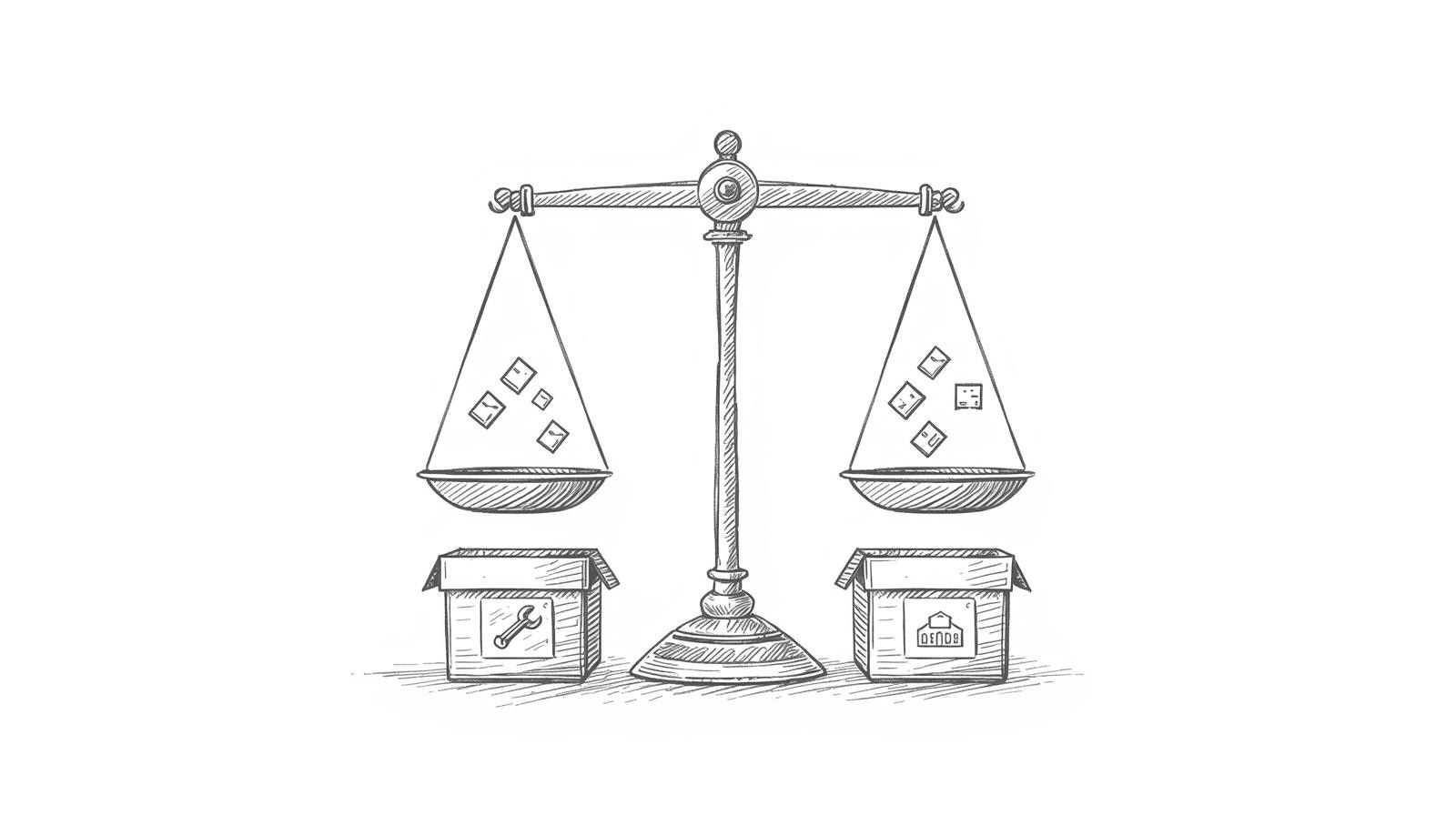
Feedback is not a full report on your abilities, it is a snapshot shaped by the specific role and the people who interviewed you. What one manager sees as a strength, another might see as a mismatch. That is why the same performance can lead to different outcomes in different companies.
Some feedback points to real skills you can improve. Maybe your answers were too long. Maybe you missed a clear example. Maybe a technical test revealed a gap in your knowledge. These are the parts you can work on because they relate to how you present yourself or how you solve problems.
Other feedback is tied to fit, timing, or team needs. A team might want someone who can start right away. They might prefer someone with deep experience in one narrow tool. They might need someone more senior or less senior than you. Those decisions reflect internal priorities, not your worth as a candidate.
You can ask for interview feedback without sounding pushy, the trick is in how you frame it.
Most feedback is not universal, it is tied to the role, the team, and the person who interviewed you.
If you know how to ask, you get better answers and fewer blind spots.
There is also feedback that comes from personal preference. Some managers want structured answers. Others want a story. Some focus on energy and communication. Others care more about technical detail. None of this is about being good or bad, it is about matching expectations that you often cannot see.
When you understand this, feedback becomes easier to interpret. You stop taking every comment as a universal truth and start seeing it as one data point from one situation. That shift helps you grow without losing confidence.

How to Ask for Feedback without Creating Pressure
The way you ask matters more than the exact words. Most hiring teams do not avoid giving feedback because they do not want to help. They avoid it because they do not want to enter a debate, explain complex decisions, or risk misunderstanding. Your goal is to show that you are not challenging the outcome, only seeking insight for your own growth.
People respond more when they feel safe. Your message should make it clear that you respect their decision, you are not trying to change it, and you only want a short learning note. Hiring managers are more willing to reply when they know you will not argue or ask for more.
Here is what helps create that space:
Keep the tone light and respectful. Show that you understand their time is limited.
Use a non demanding request, like “If you have a moment” or “Only if possible.”
Make it clear that you are not questioning their judgment.
Express genuine gratitude, not frustration, even if the process was slow.
Focus on learning, not persuading. When you ask for tips instead of explanations, you lower the barrier to respond.
Many people unknowingly write messages that feel confrontational. Even a simple line like “I would like to understand why I was rejected” can sound defensive. It signals that you want justification, not insight. That makes many hiring teams retreat.
Instead, use language that opens the door. Signal that even one sentence would help you improve. When people know you are not expecting a full review, they are more likely to write back. They do not need to prepare notes, they just need to share one observation.
A short, friendly tone does not make you look weak. It makes you look emotionally mature and self aware. It shows you value learning over ego. That mindset stands out, because most job seekers do not show it.
This is not about being overly polite. It is about making it easy for someone to help you. When your message removes pressure, you increase the chance of hearing something useful. Even a few words like “You interviewed well, but they wanted more experience with stakeholder communication” can help you prepare better for the next opportunity.
Asking wisely is not just about wording, it is about intent. You are not trying to win the argument. You are trying to win the long term.

What to Say in Your Message
A clear message works better than a creative one. Hiring teams scan emails fast, so your note needs to be simple, respectful, and easy to answer. You are not trying to impress them. You are trying to create a moment where they feel comfortable giving you one helpful insight.
A good request has three parts. You thank them. You acknowledge the decision. You ask for a small piece of feedback. That structure feels calm and respectful, which reduces the chance that your message will be ignored. It also helps the recipient understand immediately what you need.
Here is how each part works and why it matters.
Start with appreciation.
A short thank-you lowers tension. It signals maturity. You show that you value their time, not just the outcome. Most recruiters and hiring managers respond better when they feel respected.
Acknowledge the decision clearly.
This is the moment where you remove any hint of pressure. A simple line confirming that you accept their choice helps the reader relax. They no longer wonder if your message is a dispute or a complaint.
Ask for one or two insights.
Requests that feel heavy, detailed, or emotional often get ignored. When you ask for one small point, you make the task easy. Even a busy manager can send a sentence or two. The less friction you create, the more likely you are to hear back.
Here is an example of how this can sound:
Thank you again for the chance to interview. I appreciate the time you and the team spent with me. I understand the decision and wish you success with the role. If you have one brief suggestion that could help me improve for future interviews, I would be grateful.
This message works because it is simple. You show professionalism. You make your request small enough that someone can answer it in a minute. You avoid heavy language, frustration, or anything that suggests you want them to rethink the decision.
This approach also respects internal constraints. Some companies cannot give detailed feedback for legal or policy reasons. When you keep your request narrow, you give them room to share what they can without crossing any boundaries.
The goal is not to get every detail about what went wrong. It is to hear one small insight that helps you grow. And if you do this consistently across interviews, those small insights start forming useful patterns.

Feedback is a compass, not a verdict.
Fit is not a measure of your worth, it is a match between your story and their needs.
How to Use the Feedback You Receive
Once you receive feedback, the next step is understanding what it really means. Not every comment carries the same weight. Some feedback points to a skill you can strengthen. Some reflects internal team needs. Some shows how your communication landed with the people in the room. Learning to sort these categories helps you focus on what matters instead of chasing every comment.
Start by asking yourself one simple question. Is this something I can change, or is it something tied to the company or team? Comments about clarity, structure, or specific skills are usually actionable. You can practice shorter answers, prepare clearer examples, or improve a technical skill. These are areas where effort brings real improvement.
Other feedback reflects situational needs. For example, a team might want someone with deep experience in one tool. They might need someone who can start next week. They might be trying to balance personalities on the team. None of this is about your ability. It is about matching internal requirements you cannot see. Treat this type of feedback as information, not criticism.
Some feedback reveals how you came across in the conversation. This is often subtle. Maybe you gave long explanations. Maybe your examples felt too broad or too detailed. Maybe you answered the question but missed the real concern behind it. These comments help you adjust how you tell your story. They are not about changing who you are, they are about improving how you communicate under pressure.
Patterns matter more than isolated comments. One person saying you talked too fast does not mean much. If three people mention that you took too long to get to the point, that is a sign worth paying attention to. Patterns point to habits, and habits are where improvement comes from.
It can help to keep a simple document where you note the feedback you receive across all interviews. Write down what the comment was, what type it belongs to, and whether it is something you can change. Over time, you will start to see trends. These trends show where you can improve and where the feedback says more about the companies than about you.
The value of feedback is not in how detailed it is, but in how you process it. Even short comments can guide you if you read them with the right mindset. The goal is steady progress, not perfection.
Turning Feedback into Your Edge
The end of an interview process can feel final, but the feedback you gather can become a long-term advantage. Each insight, even a small one, gives you a clearer picture of how you show up under pressure. When you treat these moments as data points instead of judgments, you turn a rejection into a step forward.
Start with a simple mindset shift. Feedback is not a verdict about your talent. It is an observation from one situation with one set of expectations. That perspective keeps you grounded. It also protects your confidence so you can walk into the next interview with focus instead of doubt.
Think of feedback as a map. It shows where you communicate well and where your message drifts. It shows which parts of your experience land clearly and which parts need sharper framing. Every interview tests your ability to explain your story, so any clue about how people hear you is worth noting.
You can turn these clues into practical adjustments.
You can shorten long stories.
You can prepare clearer examples.
You can practice answering questions that threw you off last time.
You can rethink how you open and close your answers.
Small changes like these make a noticeable difference because they sharpen how you present yourself. You are not reinventing anything. You are fine tuning the way you communicate, which is often the deciding factor in close hiring decisions.
If you take one step after reading this guide, make it this one. Pick one piece of feedback and practice improving that specific point. Do it once. Then do it again for the next interview. Over time, you build consistency, and consistency builds confidence.
Progress does not come from perfect outcomes. It comes from your ability to learn from imperfect ones. That is how you turn feedback into something that works for you instead of something that weighs on you.
The Advanced Method for Getting Strategic Feedback
Most job seekers only receive surface-level comments about their interviews. There is a deeper kind of feedback that hiring managers almost never share. It reveals how your story, reasoning, and presence land in a high-pressure conversation.
This section shows you how to ask for those strategic insights in a way that feels natural for the interviewer and useful for your long-term growth.
